
%402x.svg)
Schedule an Appointment
Schedule an Appointment
**Requested time is not final until you receive confirmation from our office.Please do not submit any Protected Health Information (PHI).
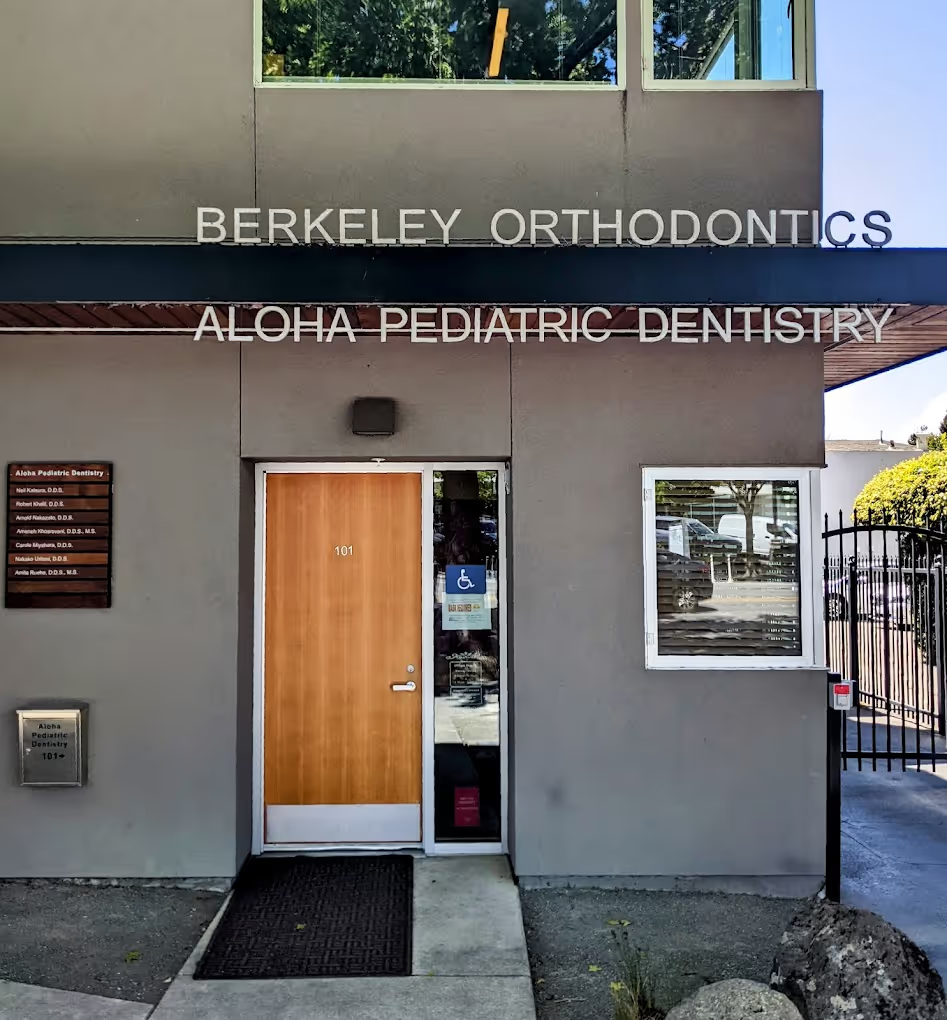
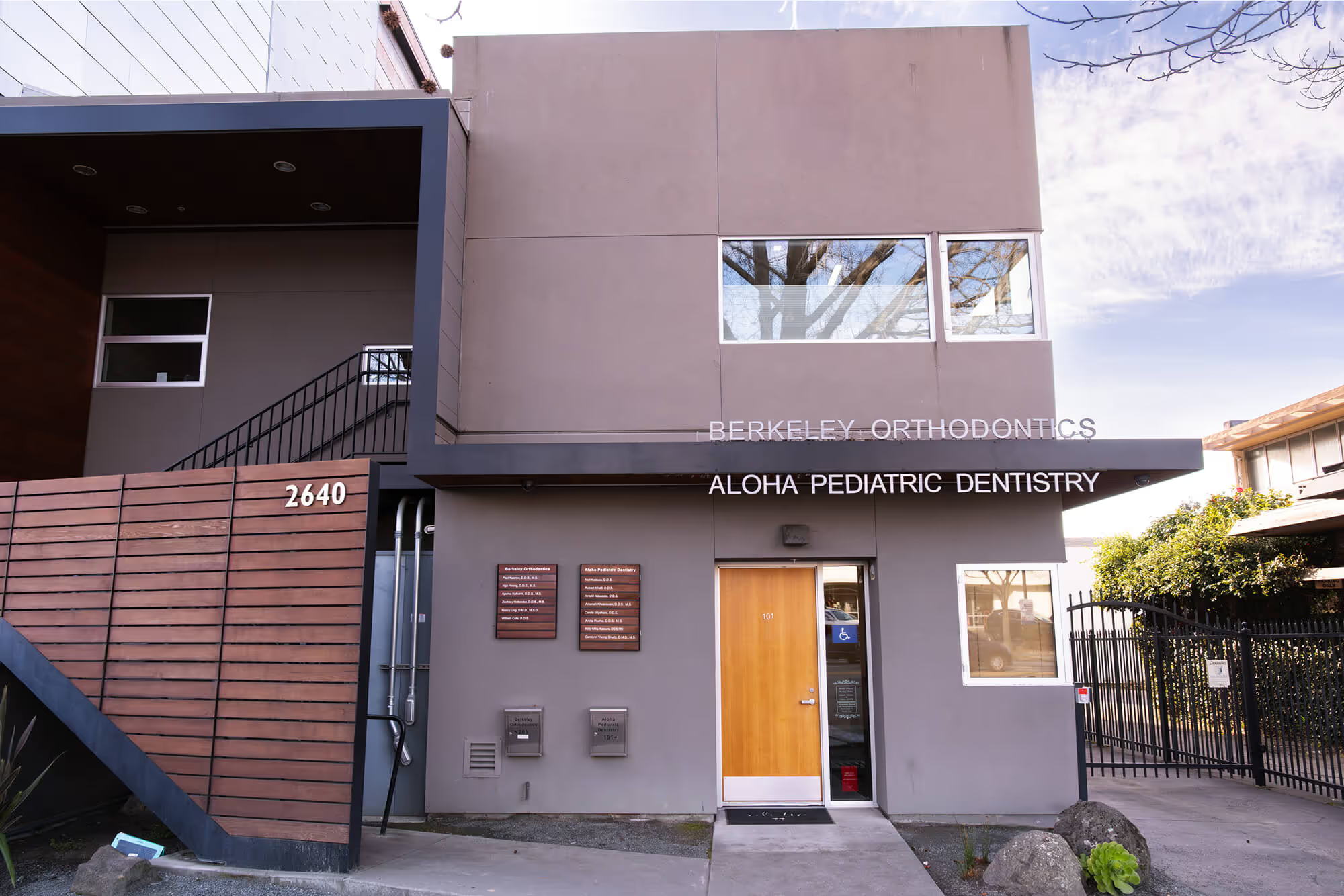
Welcome to our Berkeley office, where we've been providing top-notch pediatric dental care for over 50 years. Our environment is designed to make your child's dental visits feel like a trip to the islands. Warm, welcoming, and always with a smile.

Mon - Fri: 8:00am - 5:00pm
Sat: 8:00am - 12:00pm (Noon)

At Aloha Pediatric Dentistry, we bring the spirit of aloha to every aspect of your child's dental care. Our team of board-certified pediatric dentists and friendly staff members are truly dedicated to creating a comfortable, fun environment where your child develops positive associations with the dentist – memories that last well into adulthood.
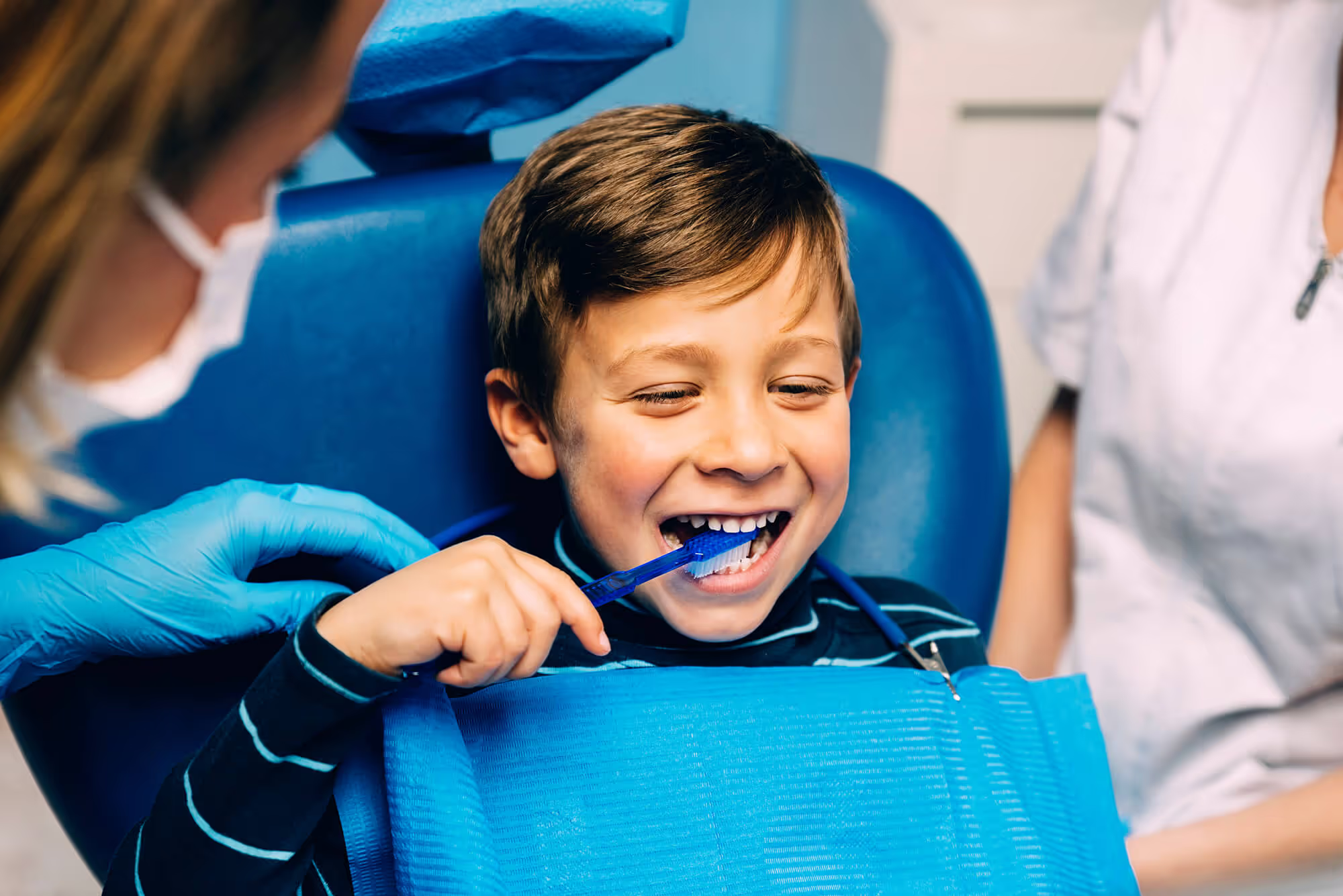
Get specialized pediatric dental care from board-certified experts that know the ins and outs of children's unique needs.
Your child's natural smile is our top priority. That's why we've invested in state-of-the-art technology to keep your child's teeth safe and their care comfortable.
Our aloha spirit creates a warm, welcoming environment that East Bay families have trusted for generations.
Get a glimpse at our dental treatments.
Our preventive care program focuses on maintaining your child's oral health through regular check-ups, cleanings, and education. We use fluoride treatments and dental sealants to protect young teeth, setting the foundation for a lifetime of healthy smiles.
When cavities or damage occur, our restorative treatments restore function and appearance. Using tooth-colored materials and our Solea laser, we provide fillings and crowns with minimal discomfort, helping your child maintain a healthy, natural-looking smile.
Our Solea laser allows for minimally invasive procedures, often without the need for anesthesia. This advanced technology reduces anxiety, minimizes pain, and speeds up healing time for a variety of treatments.
For children who experience dental anxiety or require extensive treatment, we offer safe sedation options. Our team is trained to administer and monitor nitrous oxide (laughing gas), ensuring your child remains comfortable throughout their visit.
We are committed to providing compassionate care for children with special needs. Our team has extensive experience and training in creating positive dental experiences for children with various physical, behavioral, and developmental challenges.
Dental emergencies can happen at any time. Our Berkeley office provides prompt emergency care during business hours, and our on-call system ensures you can reach a provider even after hours for urgent dental issues.
Our preventive care program focuses on maintaining your child's oral health through regular check-ups, cleanings, and education. We use fluoride treatments and dental sealants to protect young teeth, setting the foundation for a lifetime of healthy smiles.
When cavities or damage occur, our restorative treatments restore function and appearance. Using tooth-colored materials and our Solea laser, we provide fillings and crowns with minimal discomfort, helping your child maintain a healthy, natural-looking smile.
Our Solea laser allows for minimally invasive procedures, often without the need for anesthesia. This advanced technology reduces anxiety, minimizes pain, and speeds up healing time for a variety of treatments.
For children who experience dental anxiety or require extensive treatment, we offer safe sedation options. Our team is trained to administer and monitor nitrous oxide (laughing gas), ensuring your child remains comfortable throughout their visit.
We are committed to providing compassionate care for children with special needs. Our team has extensive experience and training in creating positive dental experiences for children with various physical, behavioral, and developmental challenges.
Dental emergencies can happen at any time. Our Berkeley office provides prompt emergency care during business hours, and our on-call system ensures you can reach a provider even after hours for urgent dental issues.
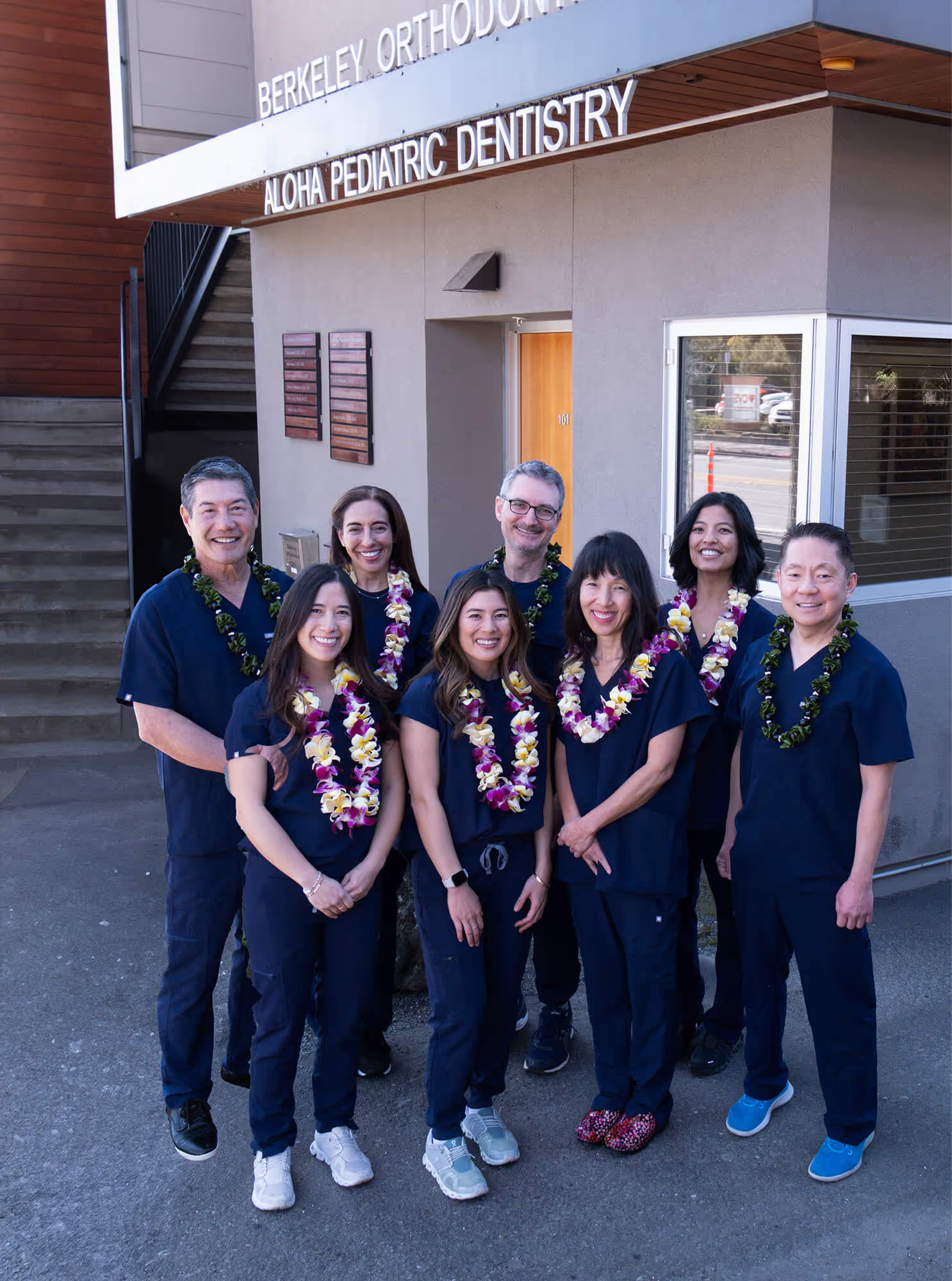
Our Berkeley office is home to a staff of experienced, board-certified pediatric dentists who are passionate about children's oral health. With diverse backgrounds and specialized training, our doctors combine expertise with a gentle, child-friendly approach to make every visit a positive experience.
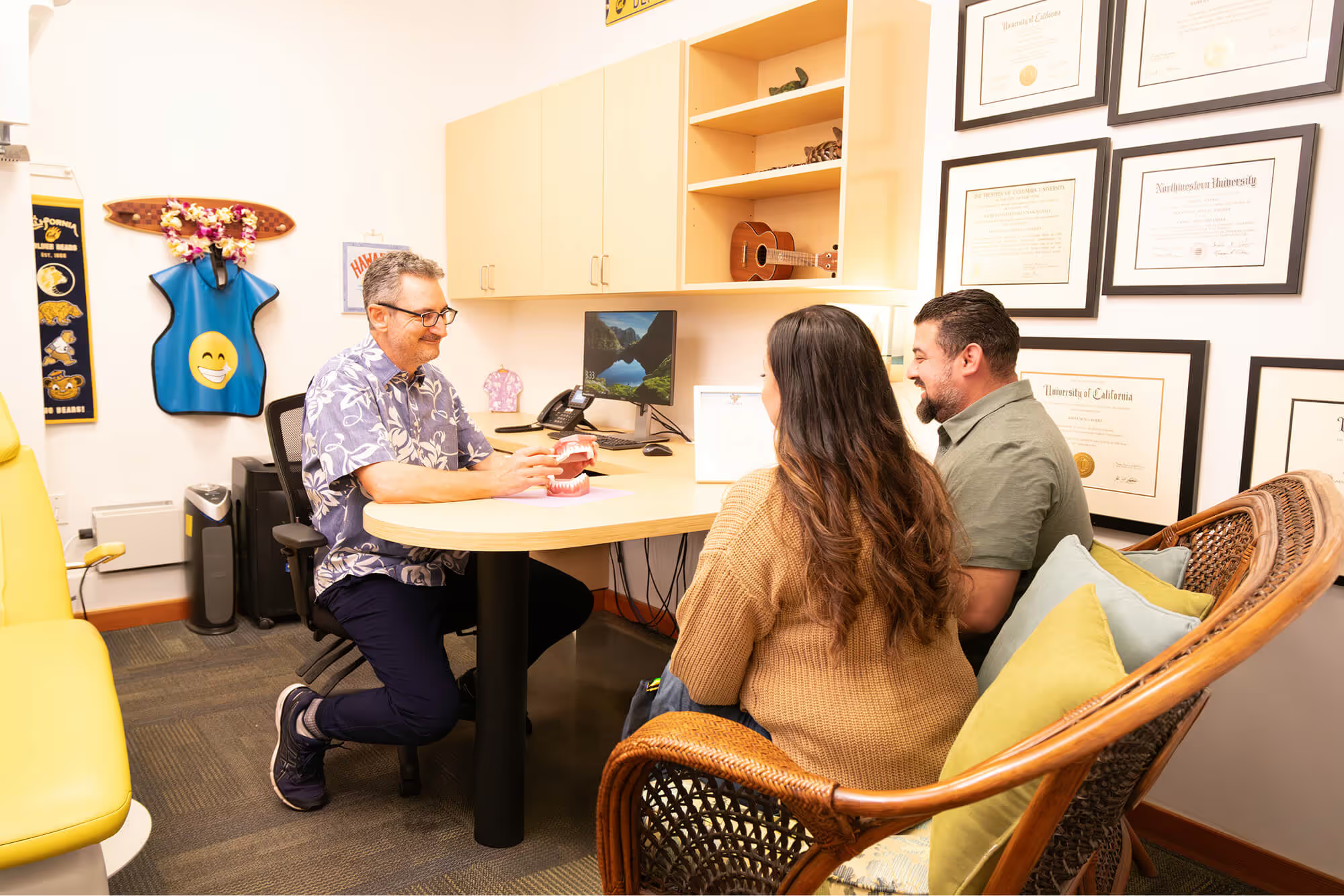
We accept most major insurance plans and are in-network with TPMG Met-Life. Our team is happy to work with you to maximize your benefits and make quality pediatric dental care accessible for your family.

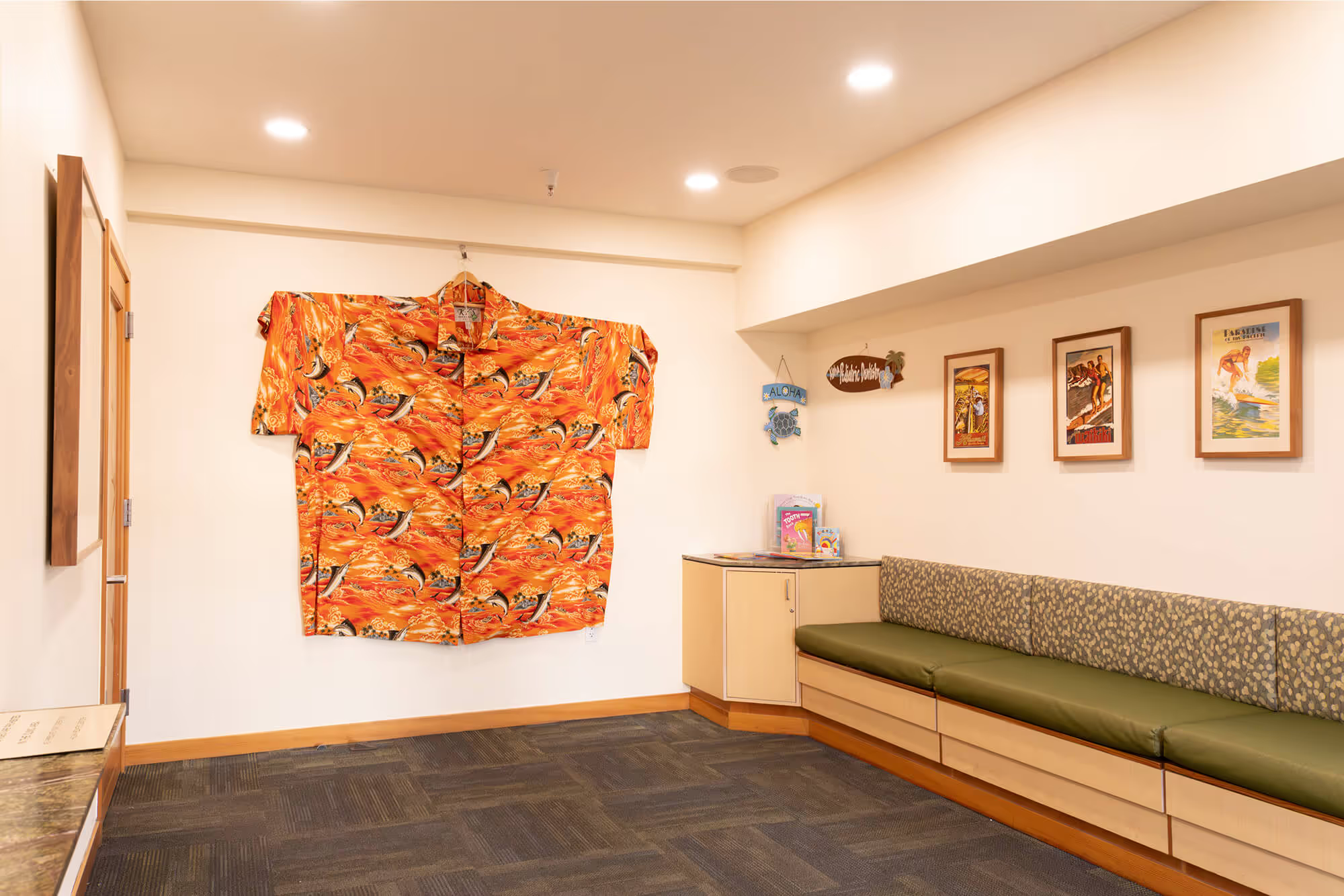
Step into our vibrant, child-friendly Berkeley office, where Hawaiian-inspired decor and a warm atmosphere help put kids at ease. From our colorful waiting area with retro toys to treatment rooms with streaming services, every detail is designed with your child's comfort in mind.
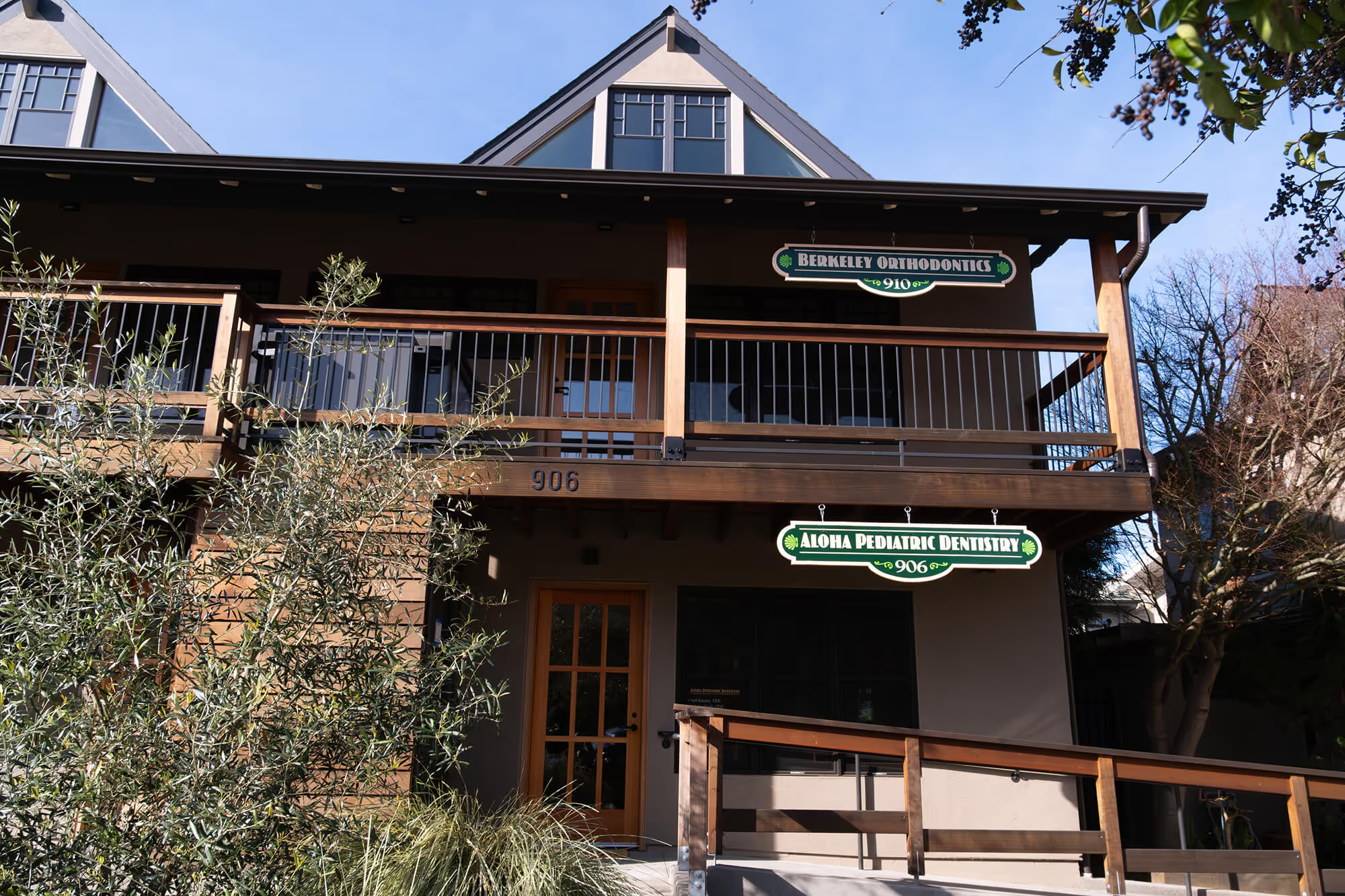
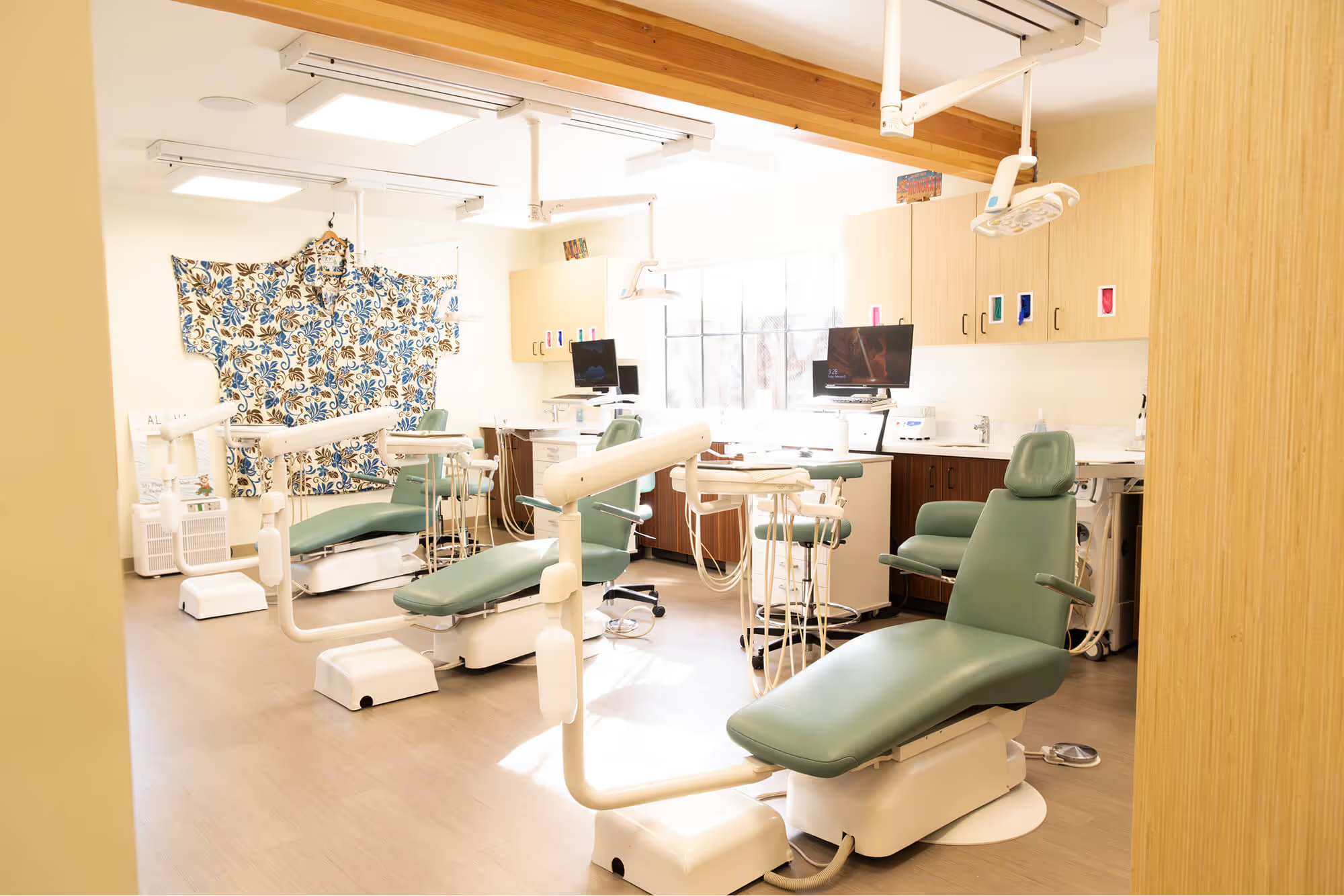
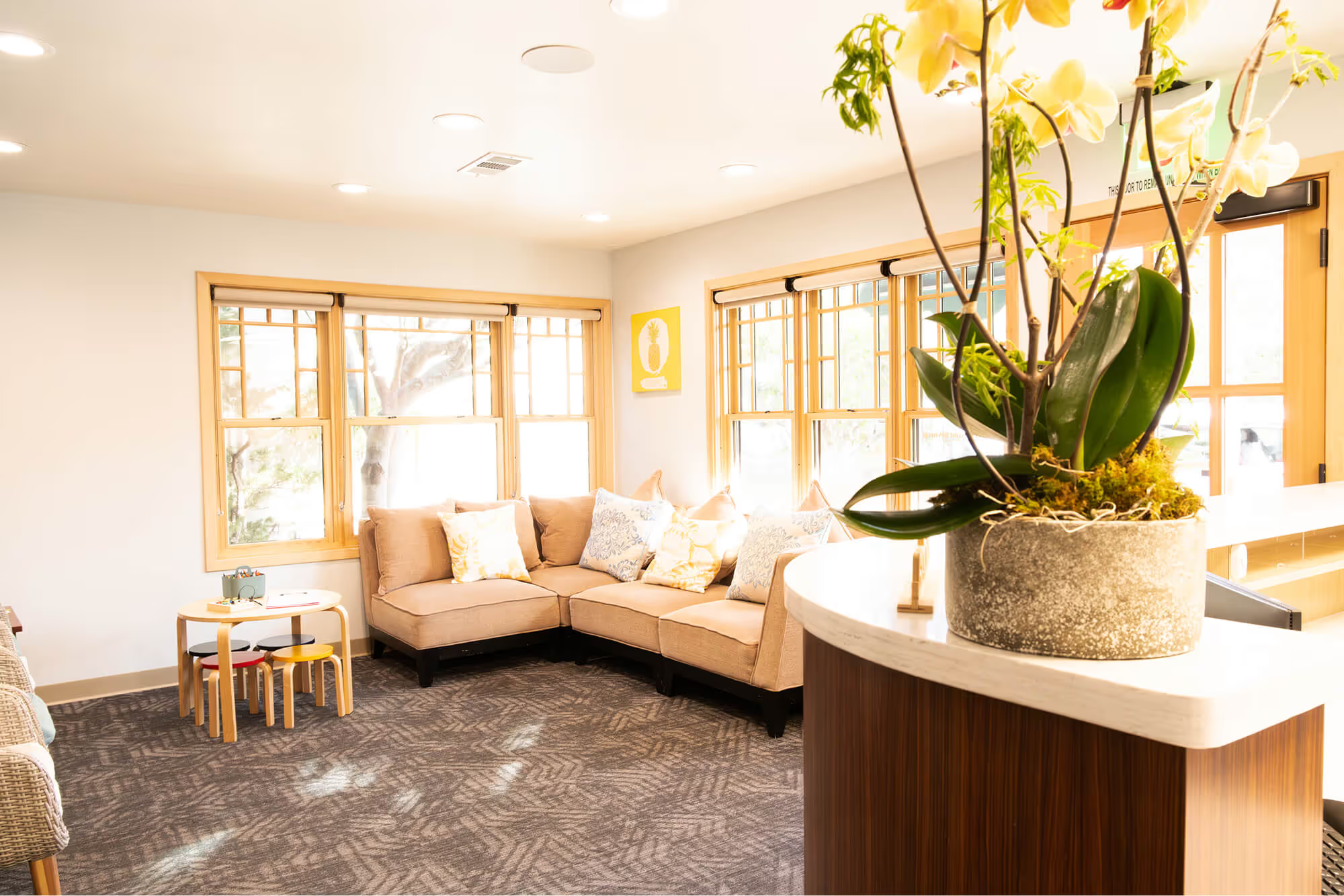
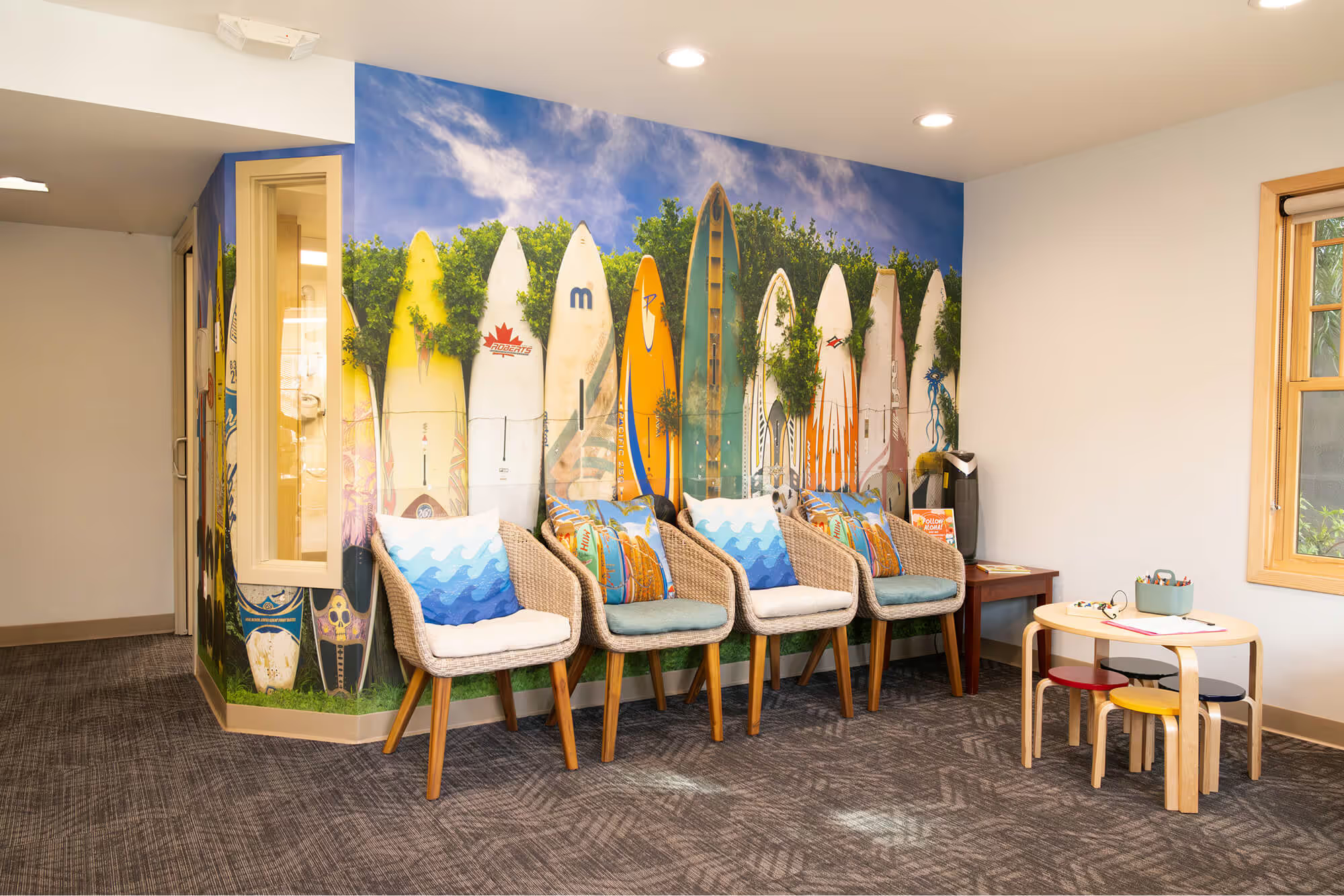
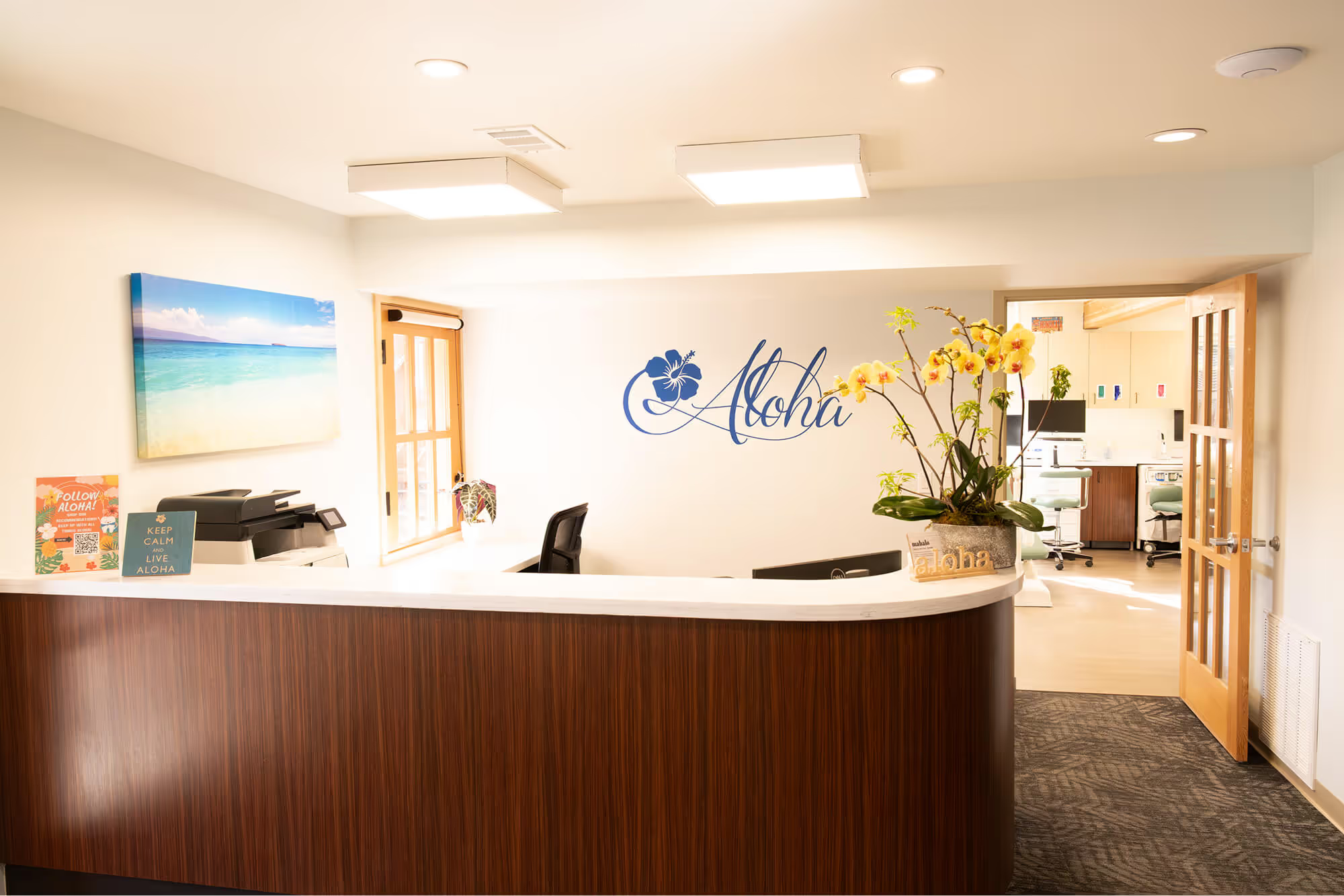
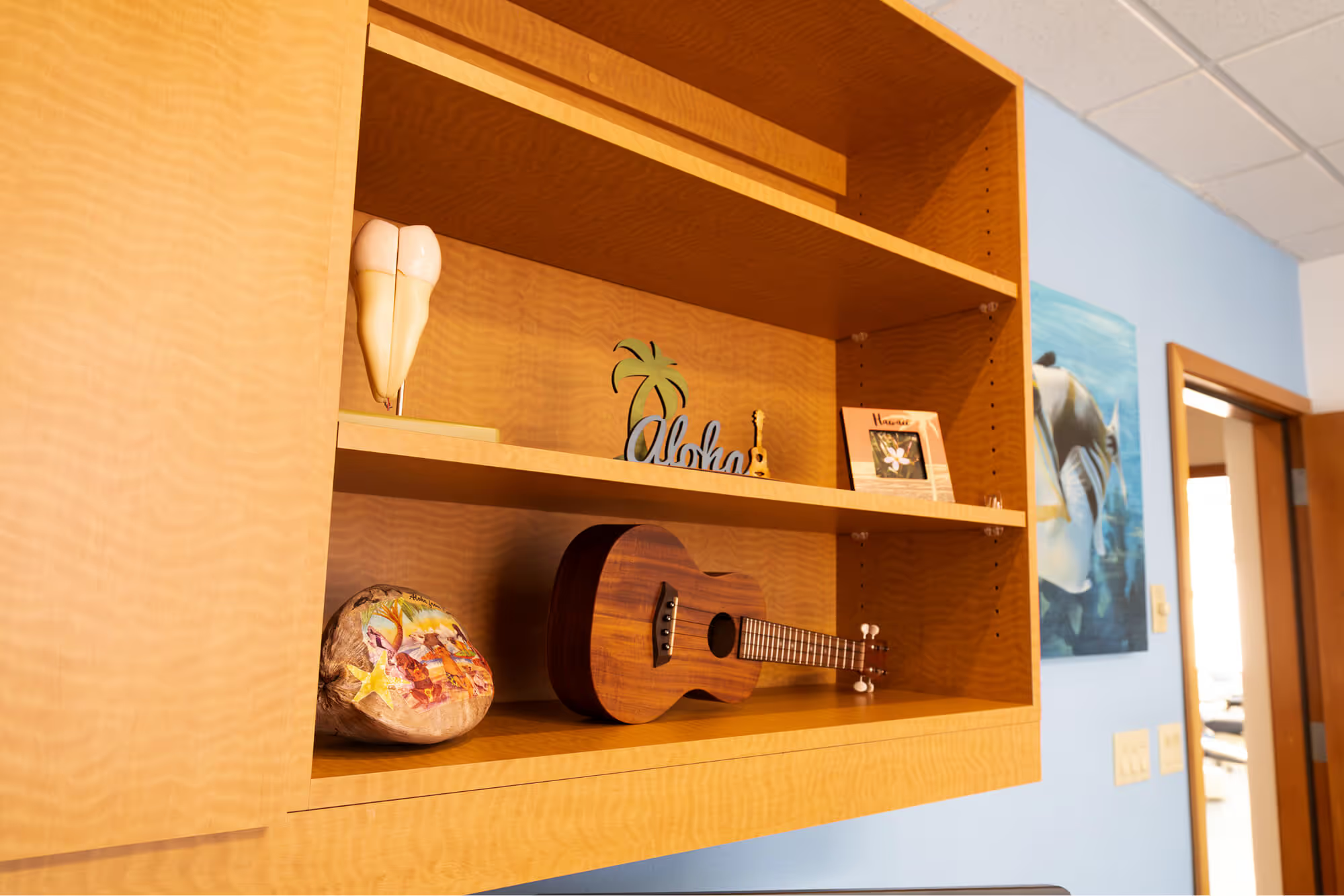
Step into our vibrant, child-friendly Berkeley office, where Hawaiian-inspired decor and a warm atmosphere help put kids at ease. From our colorful waiting area with retro toys to treatment rooms with streaming services, every detail is designed with your child's comfort in mind.
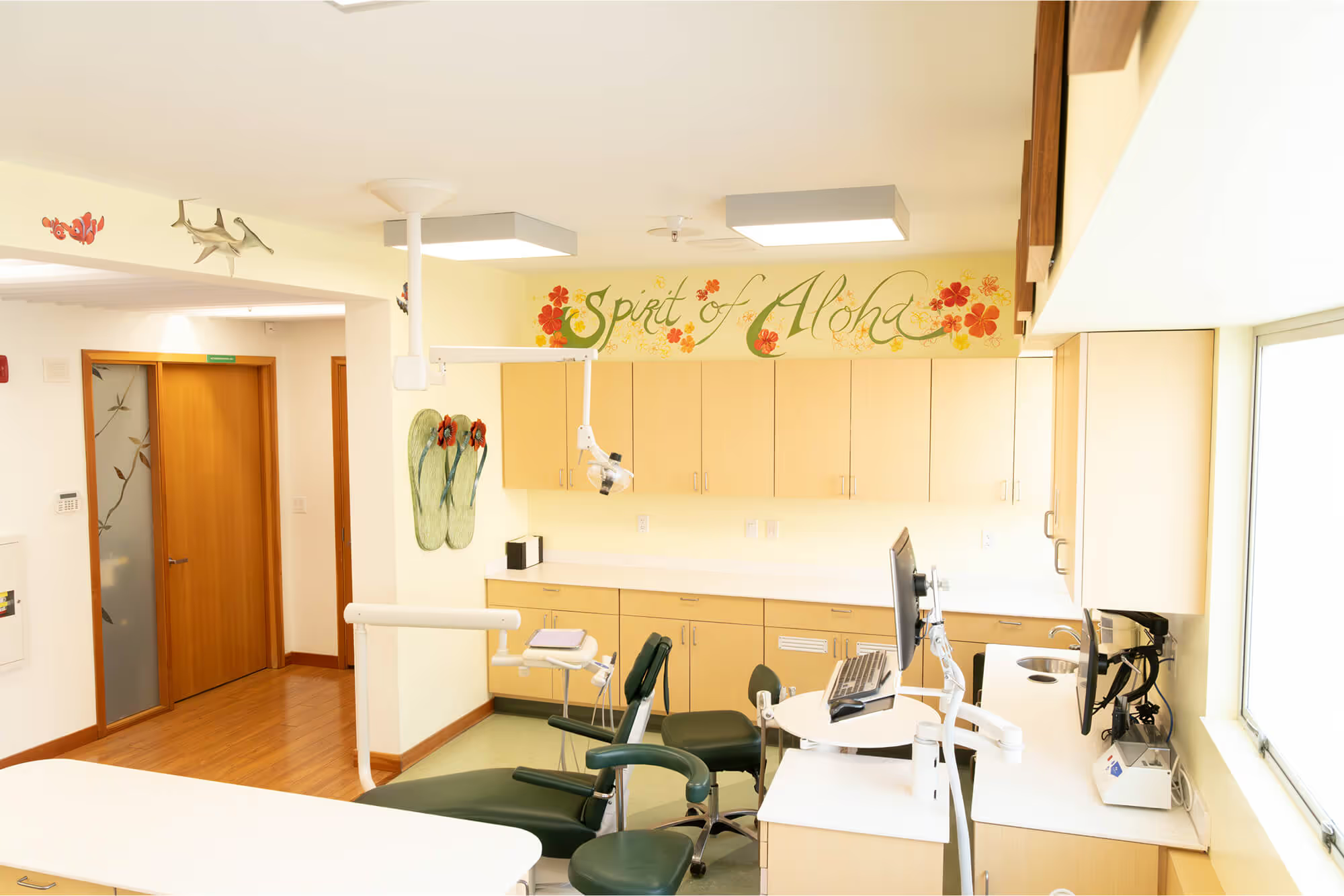
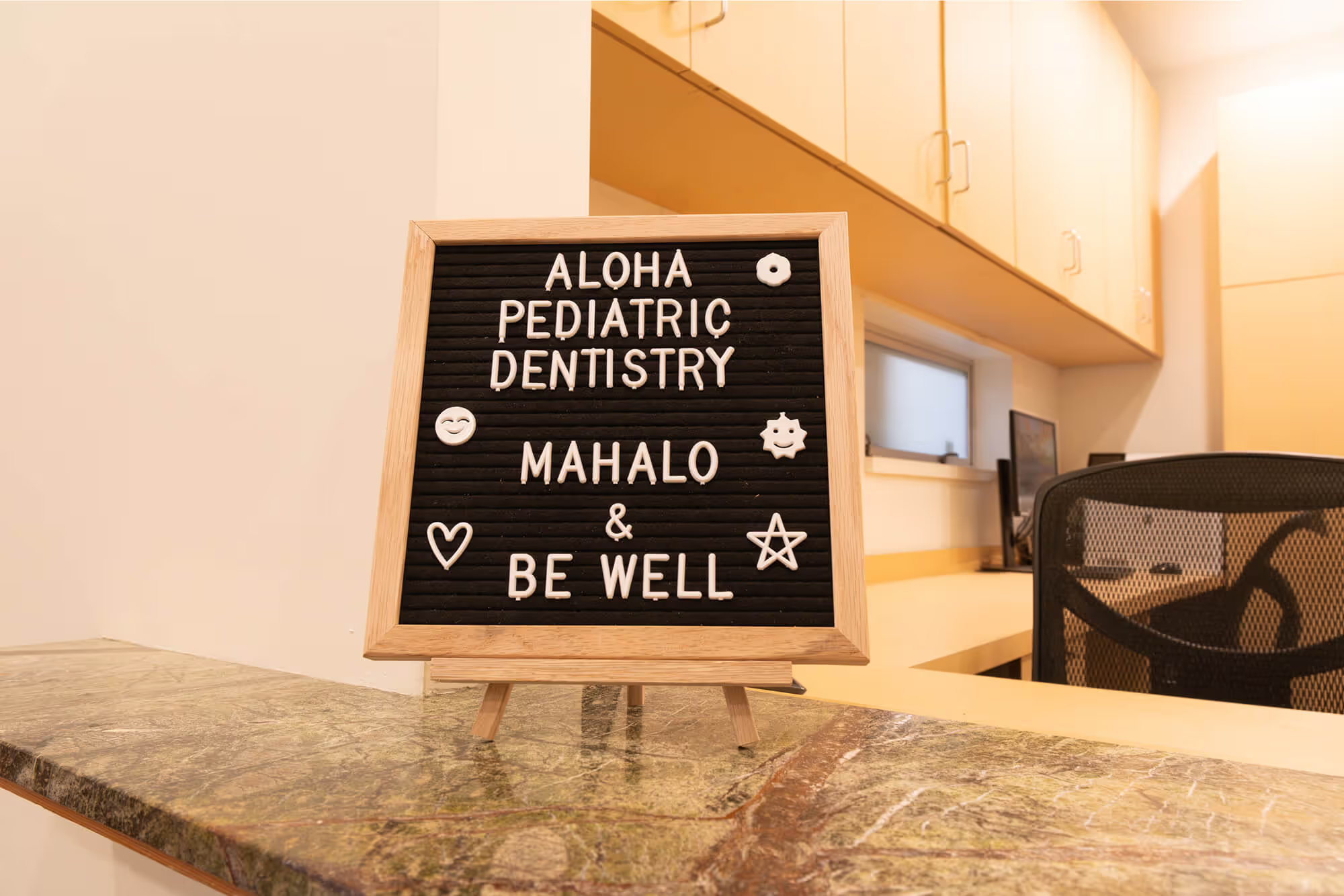
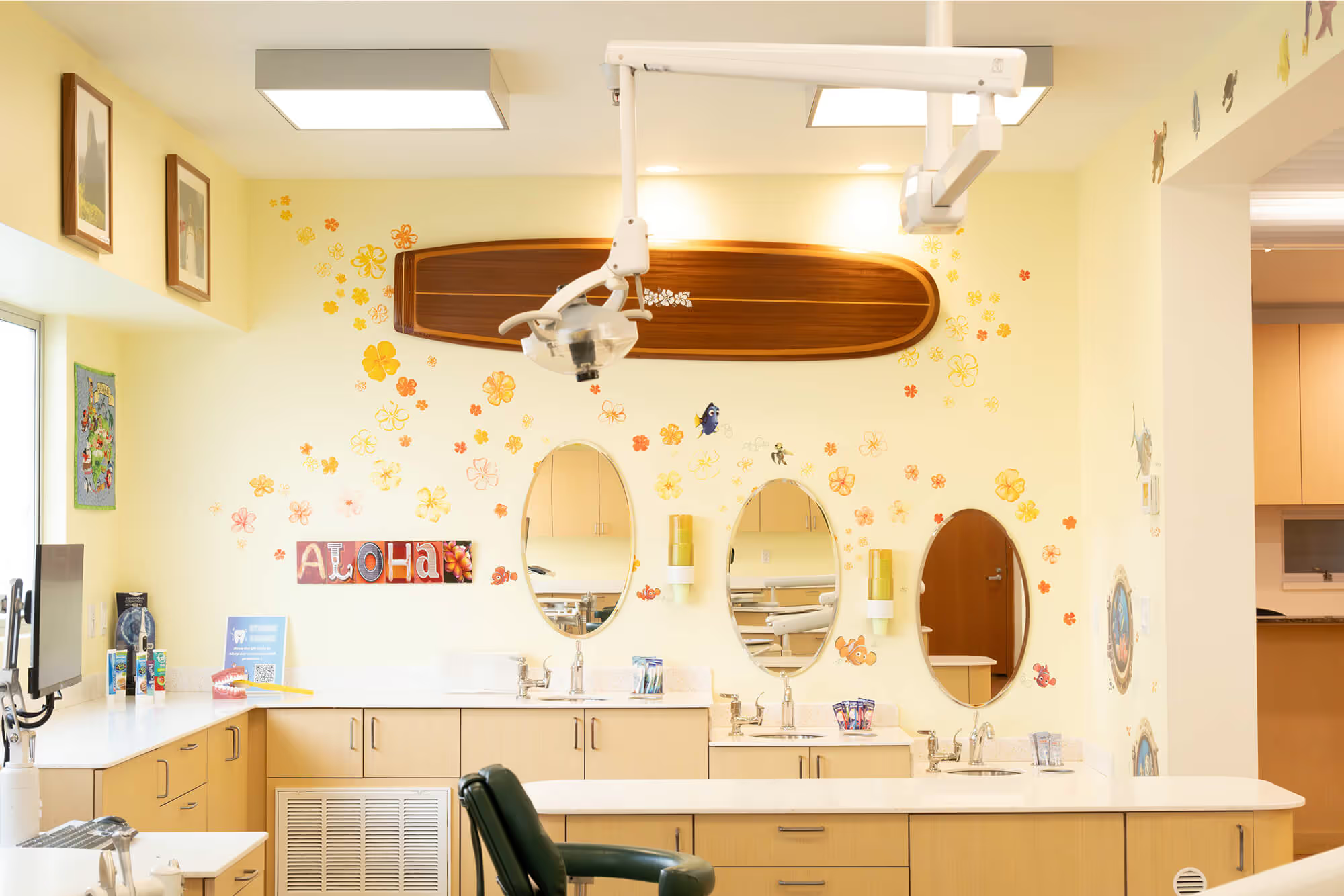
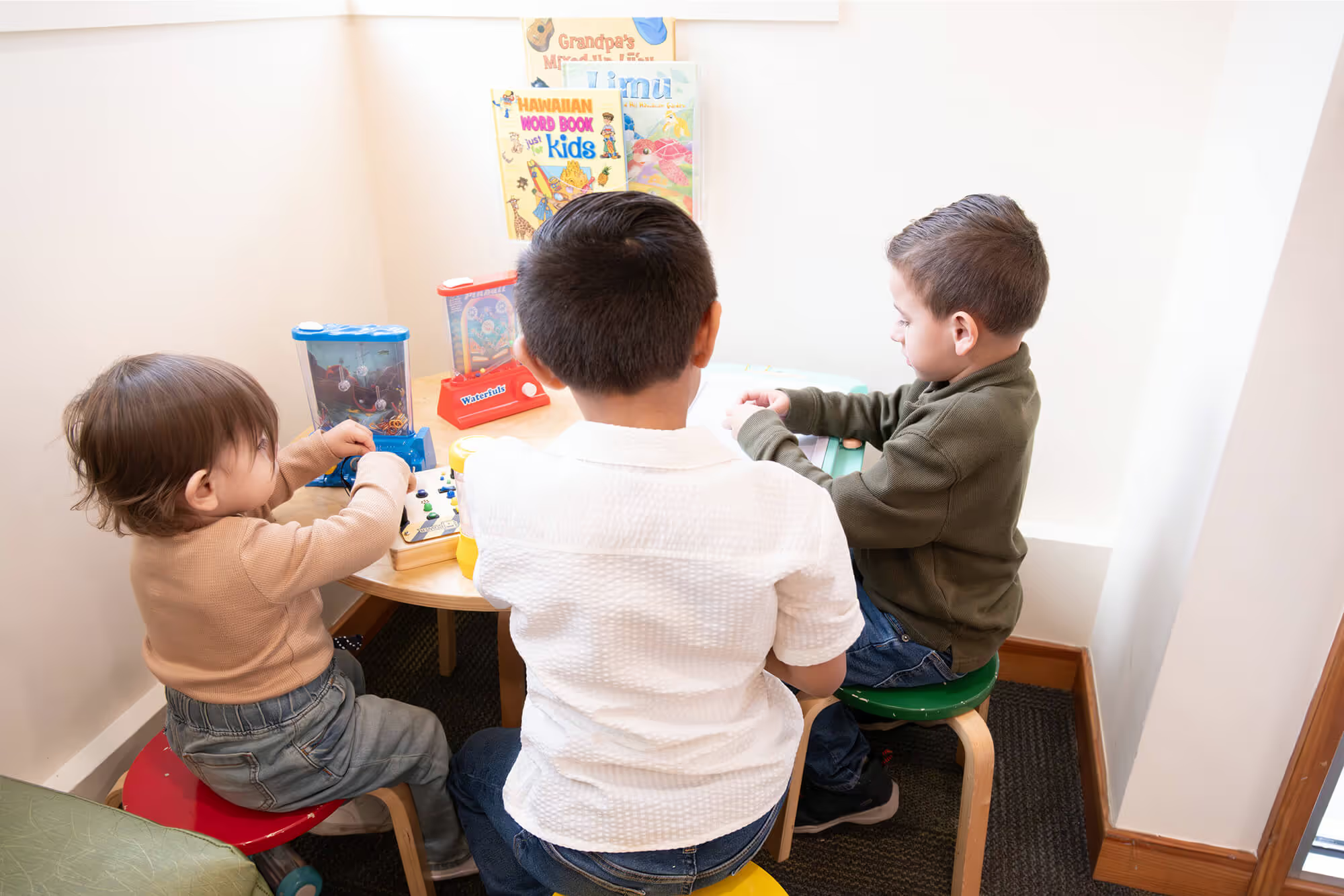
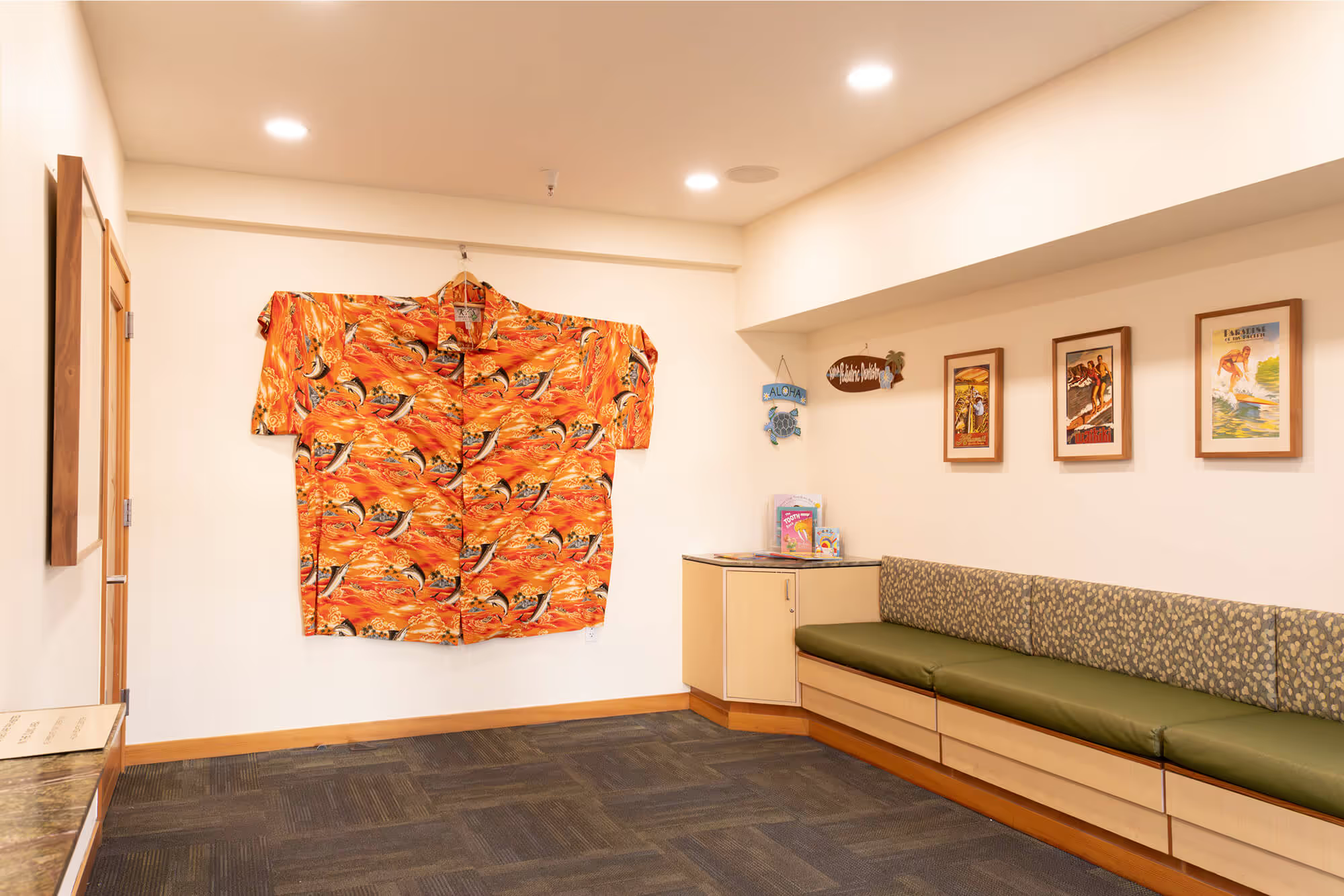
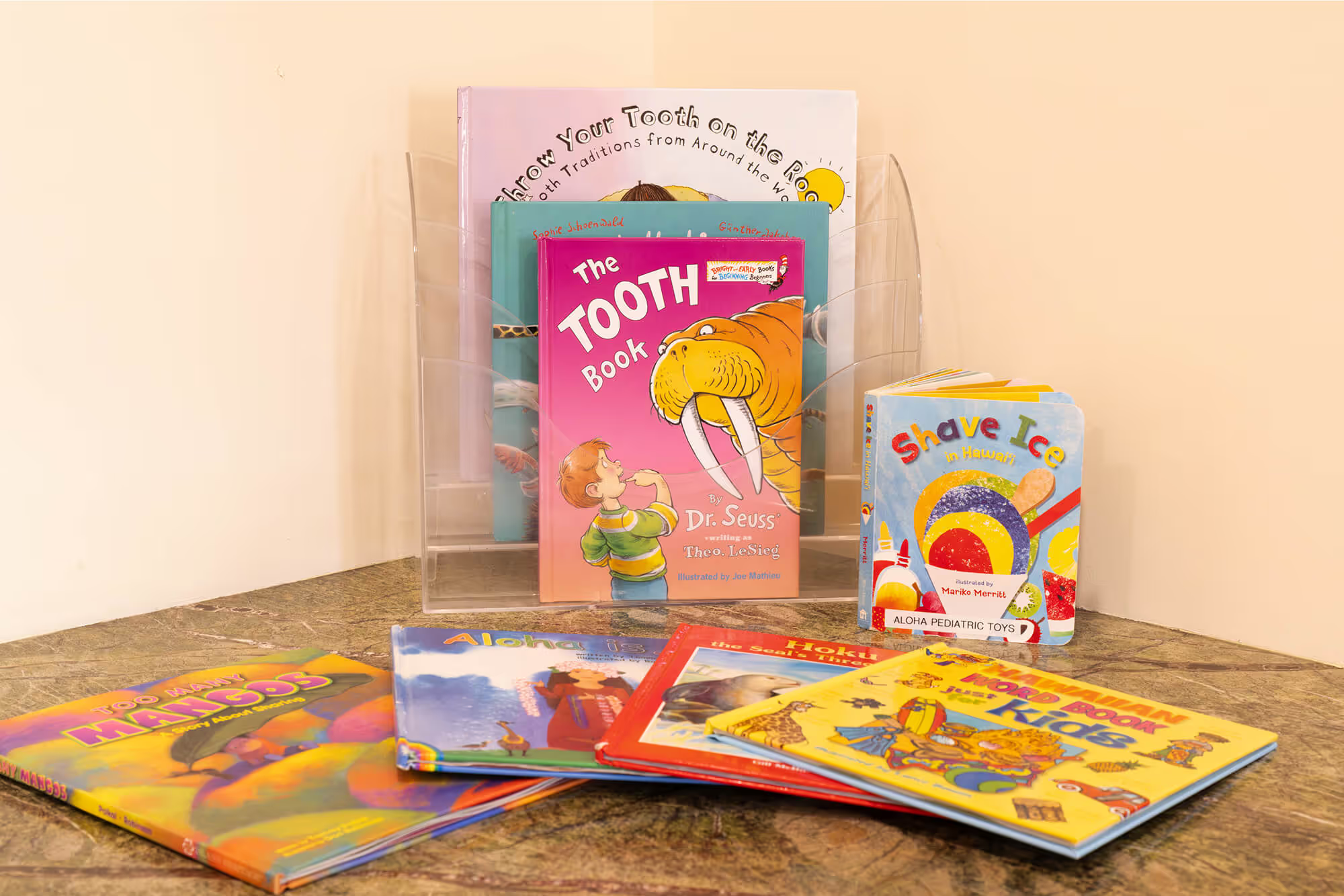
Step into our vibrant, child-friendly Berkeley office, where Hawaiian-inspired decor and a warm atmosphere help put kids at ease. From our colorful waiting area with retro toys to treatment rooms with streaming services, every detail is designed with your child's comfort in mind.
.avif)
.avif)
.avif)
.avif)
.avif)
Have questions? We have answers!